Clinic Hours
Locations & Addresses
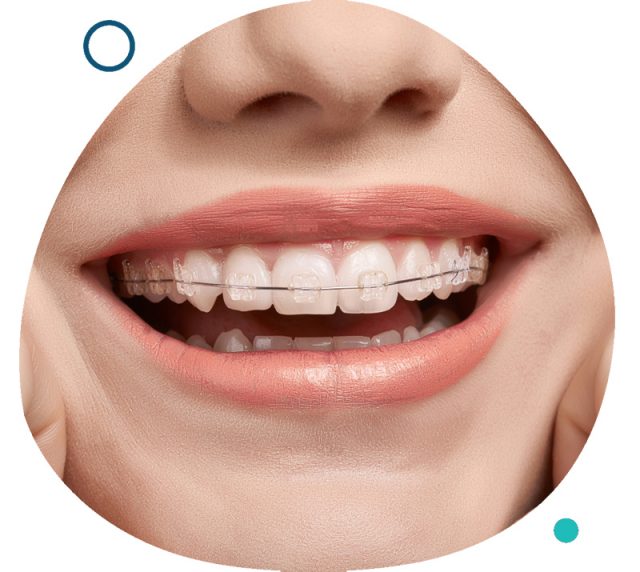
Ceramic braces are a fixed orthodontic treatment that uses clear or tooth-coloured brackets to straighten teeth. They provide an alternative to conventional metal braces for patients who prefer a less noticeable orthodontic appliance.
At The Braces Practice, we offer traditional ceramic braces and self-ligating ceramic braces to address different orthodontic needs. Both options use ceramic brackets, but they differ in how the archwire is secured during treatment.
Ceramic braces may be suitable for patients with crooked teeth, crowding, spacing, and certain bite problems. The appropriate treatment depends on your dental alignment, oral health, and individual treatment objectives.
Ceramic braces consist of clear or tooth-coloured brackets bonded to the teeth and connected by an orthodontic archwire. The wire applies controlled forces that gradually move teeth towards their planned positions.
Compared with conventional metal braces, ceramic braces are designed to blend more closely with the natural colour of teeth. This makes them a consideration for adults and teenagers who prefer a less noticeable fixed appliance during orthodontic treatment.
Ceramic braces are fixed to the teeth for the duration of the treatment. Regular appointments are necessary to monitor tooth movement, assess oral health and adjust the appliance when required.
At The Braces Practice, patients can explore traditional and self-ligating ceramic braces, depending on their orthodontic requirements and the treatment system selected.
The Braces Practice offers two types of ceramic braces: traditional ceramic braces and self-ligating ceramic braces. Understanding how these systems differ can help you prepare for your orthodontic consultation.
Key features:
Traditional ceramic braces use clear or tooth-coloured brackets attached to the teeth. An archwire runs through the brackets and is generally secured using small elastic ties or ligatures.
The wire applies controlled pressure to guide the teeth into better alignment over time. The ceramic brackets provide a less noticeable appearance than conventional metal brackets while maintaining the fixed design of traditional braces.
Traditional ceramic braces may be considered for patients who prefer a tooth-coloured orthodontic appliance to address their alignment concerns.
Key features:
Self-ligating braces are not automatically faster or more effective than traditional braces. Treatment duration and outcomes depend on the individual case, treatment plan and response to orthodontic forces.
Self-ligating ceramic braces use brackets with a built-in clip or sliding mechanism to hold the archwire in place. Unlike traditional ceramic braces, this system does not require conventional elastic ligatures to secure the wire.
The ceramic brackets provide a less noticeable appearance, while the built-in mechanism changes how the archwire is held within the appliance.
Self-ligating ceramic braces may be suitable for patients whose treatment requirements can be addressed using an appropriate self-ligating system.
Both systems use ceramic brackets to provide a less noticeable alternative to conventional metal braces. Their main difference is the mechanism used to secure the archwire.
| Feature | Traditional Ceramic Braces | Self-Ligating Ceramic Braces |
| Bracket material | Clear or tooth-coloured ceramic | Clear or tooth-coloured ceramic, depending on the system |
| Archwire attachment | Generally secured with elastic ties | Secured with a built-in clip or sliding mechanism |
| Elastic ligatures | Generally used | Not required for the self-ligating mechanism |
| Oral hygiene | Requires careful cleaning around brackets and ties | Requires careful cleaning around brackets and appliance components |
| Treatment duration | Depends on individual requirements | Depends on individual requirements |
| Suitability | Determined by dental alignment and treatment objectives | Determined by dental alignment and treatment objectives |
The choice between traditional and self-ligating ceramic braces depends on the patient’s orthodontic needs, the appliance system and the dentist’s treatment recommendations.
Ceramic braces combine fixed orthodontic treatment with brackets designed to blend more closely with natural teeth.
Ceramic brackets are clear or tooth-coloured, making them less visually prominent than conventional metal brackets. They may be suitable for patients who prefer a more discreet appearance while undergoing orthodontic treatment.
However, ceramic braces are not completely invisible. The archwire and other appliance components may still be noticeable.
Ceramic braces are fixed to the teeth for the duration of the treatment. Patients do not need to remove and reinsert the appliance when eating or brushing, unlike removable clear aligners.
As with other fixed braces, careful cleaning around the brackets and wires is necessary to maintain oral hygiene.
Ceramic braces can be used to address various orthodontic concerns, including crowded teeth, spacing, and selected bite problems. The treatment approach depends on the complexity of the case and the movements required.
With traditional and self-ligating ceramic braces available, patients can discuss different bracket systems during their consultation. The most appropriate option depends on the patient’s dental condition and the proposed treatment plan.
Ceramic braces may be used to address several types of dental misalignment. A clinical assessment is necessary to determine whether they are suitable for your particular concern.
Dental crowding happens when there is not enough room in the jaw for teeth to grow into their proper positions. Teeth may become misaligned, twisted, or unevenly positioned.
Ceramic braces can gradually reposition crowded teeth as part of an appropriate orthodontic treatment plan. The dentist will assess the available space and determine the movements required.
Spacing refers to gaps between two or more teeth. These gaps may occur naturally or be associated with missing teeth and other dental factors.
Braces can move teeth closer together when clinically appropriate. The underlying cause of the spacing should be assessed before treatment begins.
Teeth may develop or shift into positions that affect the alignment of the dental arches. Ceramic braces can apply controlled forces to guide teeth towards their planned positions.
The extent of correction required and the suitability of ceramic braces depend on the individual case.
An overbite refers to the vertical overlap of the upper front teeth over the lower front teeth. Overjet describes how far the upper front teeth extend horizontally in front of the lower teeth.
Ceramic braces can help correct certain types of bite misalignment, depending on the patient’s dental condition. More complex cases may require additional orthodontic procedures or a different treatment approach.
An underbite occurs when the lower front teeth sit in front of the upper front teeth. A crossbite occurs when some upper teeth sit inside the lower teeth when biting down, while an open bite describes a situation where certain upper and lower teeth do not meet when the mouth closes.
Braces may help correct selected cases of these conditions. The appropriate treatment depends on whether the problem involves tooth positioning, jaw relationships or a combination of factors.
The cost of ceramic braces depends on the treatment requirements, the complexity of the dental alignment and the services included in the treatment package.
At The Braces Practice, the published starting price for ceramic braces is $5,341 including GST, based on $4,900 before GST.
The listed package includes consultation, pre- and post-treatment X-rays, photographs, study models and one set of clear retainers. Patients should confirm the current fee, package inclusions and applicable terms with the clinic before starting treatment.
The total cost may vary depending on the following factors:
For further information about available orthodontic options and fees, visit The Braces Practice’s Our Fees page.
Ceramic braces may be considered by teenagers and adults who want to straighten their teeth using a less noticeable fixed appliance.
Suitability depends on the patient’s dental alignment, bite, oral health and treatment objectives.
Ceramic braces may be suitable for adults and teenagers who prefer clear or tooth-coloured brackets. Age alone does not determine whether ceramic braces are appropriate; the condition of the teeth and gums and the treatment requirements must also be assessed.
Patients with crooked teeth, crowding, spacing or selected bite problems may be candidates for ceramic braces. The dentist will assess the complexity of the case before recommending an appliance.
Ceramic braces are fixed to the teeth for the duration of the treatment. This may suit patients who prefer a fixed appliance rather than removable aligners.
However, patients need to follow dietary recommendations, attend scheduled appointments and maintain good oral hygiene.
Cleaning around brackets and wires requires consistent attention. Patients should be prepared to brush carefully, clean between their teeth and follow their dentist’s advice throughout treatment.
A consultation at The Braces Practice can help determine whether traditional ceramic braces, self-ligating ceramic braces or another orthodontic option is appropriate for your needs.
Ceramic braces treatment involves several stages, from the initial assessment to the retention phase after the appliance is removed.
The dentist examines your teeth, bite, and oral health to assess your orthodontic concerns. X-rays, photographs, or study models may be required to evaluate the teeth and plan treatment.
Based on the assessment, the dentist discusses suitable orthodontic options, expected treatment duration, and applicable fees. Any preliminary dental treatment required will be considered before the braces are fitted.
The teeth are prepared for bracket placement. Ceramic brackets are bonded to the tooth surfaces, and the archwire is fitted according to the selected appliance system.
During follow-up visits, the dentist monitors your teeth’s progress and makes any necessary adjustments to the braces. Appointment frequency depends on the treatment plan and clinical progress.
Once the planned tooth movements have been achieved, the braces are removed. Remaining adhesive is cleaned from the teeth, and the dentist assesses the final alignment.
Retainers help maintain the corrected tooth positions after the braces are removed. The dentist will advise on the appropriate retainer and wearing schedule, as teeth can shift over time.
Good oral hygiene and careful handling of the appliance are important throughout ceramic braces treatment.
Use fluoride toothpaste and gently clean around each bracket and along the gumline to remove plaque and food debris. A soft-bristled toothbrush and suitable cleaning technique can help remove plaque and food debris.
Use appropriate interdental cleaning aids to clean around wires and between teeth. Follow your dentist’s guidance on flossing and other oral hygiene methods.
Hard, sticky, and chewy foods may damage ceramic brackets or wires. Avoid biting directly into very hard foods and follow the dietary advice provided by your dentist.
Ceramic brackets are generally resistant to staining, but elastic ties used with traditional ceramic braces may become discoloured over time. Good oral hygiene helps reduce plaque accumulation around the appliance.
Regular visits allow the dentist to monitor tooth movement and identify issues with the appliance. If a bracket becomes loose or broken, contact the clinic for advice rather than attempting to repair it yourself.
Choosing ceramic braces involves considering the appearance of the appliance, the orthodontic concerns being treated, and the care required throughout treatment.
The Braces Practice offers traditional and self-ligating ceramic braces for patients to consider as part of their orthodontic treatment options. A consultation can help determine which ceramic braces system best meets your dental needs and treatment goals.
For details about ceramic braces, treatment costs and booking a consultation, get in touch with The Braces Practice or visit our services and fees pages for more information.
To schedule a visit with us, simply drop us a Whatsapp message and we will confirm your appointment.
Dental ceramic braces typically take approximately one to two years to straighten teeth, although the exact time may vary depending on individual conditions. These braces work similarly to traditional metal braces but have tooth-coloured or clear brackets that make them less noticeable. Throughout the treatment, periodic adjustments and check-ups with an orthodontist are necessary to ensure the teeth are moving correctly. Patience and consistent care are essential for successful results.
Getting ceramic dental braces in Singapore involves several steps. First, you will have a consultation with your dentist to assess your teeth and discuss treatment options. If ceramic dental braces are chosen, your dentist will take impressions of your teeth for study models. During the installation appointment, the brackets are bonded to your teeth, and archwires are attached. Over time, you will need periodic adjustments to tighten the wires and gradually align your teeth. Regular dental check-ups and good oral hygiene are also important throughout the treatment process.
The right time to get ceramic braces in Singapore depends on individual circumstances and the recommendation of a dentist. In general, it is best to consider braces once most of the adult teeth have erupted, typically around the ages of 12 to 14. However, it is never too late for ceramic dental braces, as they can be beneficial for people of any age seeking to correct their teeth alignment. Our dental experts at The Braces Practice can help you determine the most appropriate timing for ceramic braces based on your specific dental needs.
Clear ceramic braces can benefit individuals of various ages who require teeth straightening. They are particularly suitable for those seeking a less noticeable orthodontic option, as the tooth-coloured or clear brackets blend with the natural teeth. Ceramic dental braces are effective in correcting mild to moderate dental misalignments, such as crooked teeth, overcrowding, or gaps. Consulting with a dentist is crucial to determine if ceramic braces are the right choice for your specific dental needs and goals.
You can get ceramic braces in Singapore from a dental clinic that offers services for dental alignments, such as The Braces Practice. Our dentists are professionals who are trained to diagnose and treat issues related to teeth and jaw alignment. Our experts can provide personalised recommendations based on our patient’s personal needs. Potential patients can schedule a visit with us via WhatsApp message for an appointment at our Holland Village or Bedok clinics.
The main difference between dental ceramic braces and metal braces is the material used for the brackets. Clear ceramic braces have tooth-coloured or clear brackets that blend with the teeth, making them less noticeable compared to the metal brackets of traditional braces. However, the underlying mechanism and treatment process is similar for both types. Ceramic braces are a popular choice for individuals seeking a more discreet orthodontic option, while metal braces may be more cost-effective and are suitable for complex dental cases.
The published starting price is $5,341 including GST, and $4,900 before GST. The listed package includes consultation, pre- and post-treatment X-rays, photographs, study models and one set of clear retainers. Confirm the current price and package terms with the clinic.
Traditional ceramic braces generally use elastic ties to secure the archwire, while self-ligating ceramic braces use a built-in clip or sliding mechanism. Both use ceramic brackets, but their attachment mechanisms differ.
Not necessarily. Treatment duration depends on the complexity of the case, the movements required, and the patient’s response to treatment. A self-ligating mechanism does not guarantee a shorter treatment period.
Yes, adults may be suitable candidates for ceramic braces. Dental and gum health, tooth alignment, bite, and treatment objectives are important factors when determining suitability.
Ceramic brackets are generally resistant to staining, but elastic ties used with some traditional ceramic braces may discolour over time. Good oral hygiene helps manage plaque and staining around the appliance.
Some soreness or pressure may occur after fitting or adjustment appointments. The level of discomfort varies between individuals and usually improves as the mouth adapts. Persistent or severe discomfort should be discussed with the dentist.
Ceramic braces can help correct certain bite issues, including overbites, overjets, underbites, crossbites and open bites, depending on the patient’s orthodontic needs. The suitable treatment will depend on the cause and severity of the condition.
Hard, sticky, and chewy foods can damage brackets or wires. Patients should follow dietary recommendations and take care when eating firmer foods.
Treatment duration varies according to the complexity of the alignment, the movements required, and individual treatment progress. The dentist can provide an estimated timeline after assessing your teeth and bite.
Retainers are generally recommended after braces removal to help maintain the corrected tooth positions. Your dentist will advise on the appropriate retainer and wearing schedule.


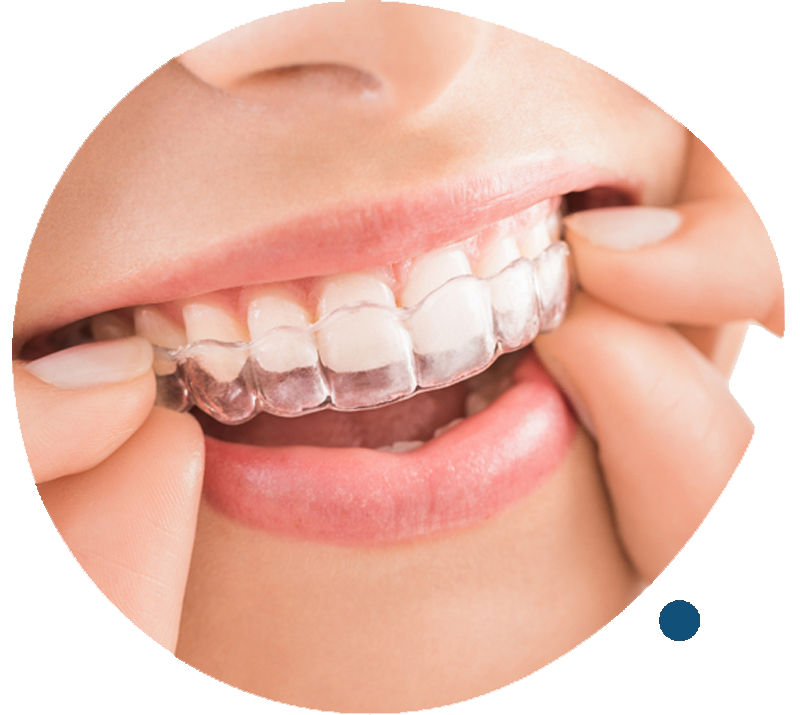
Looking for invisible braces? The answer is right here.
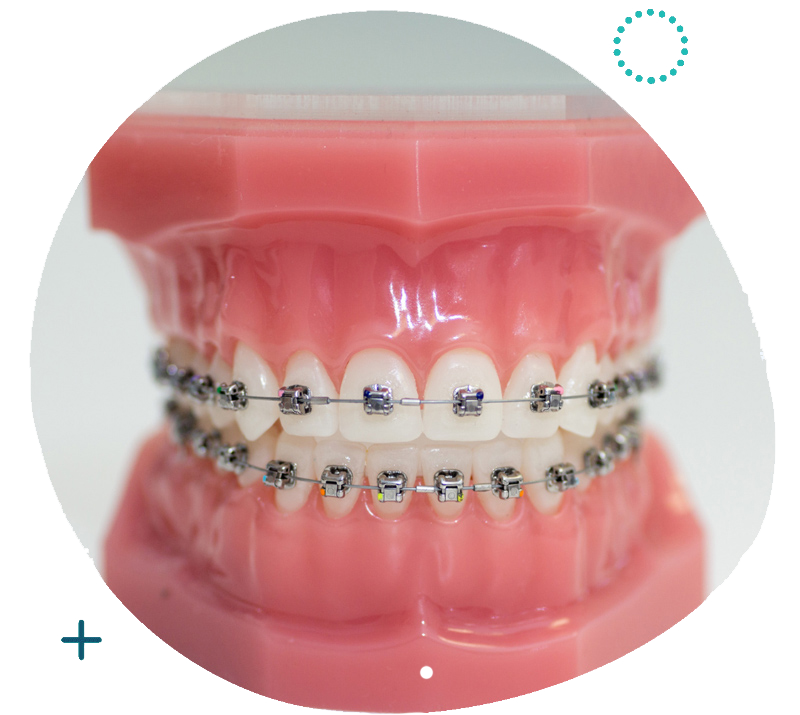
Damon self ligating braces are a low friction bracket system that offers a more comfortable braces experience.

Damon Clear, the invisible version of the Damon Q system.
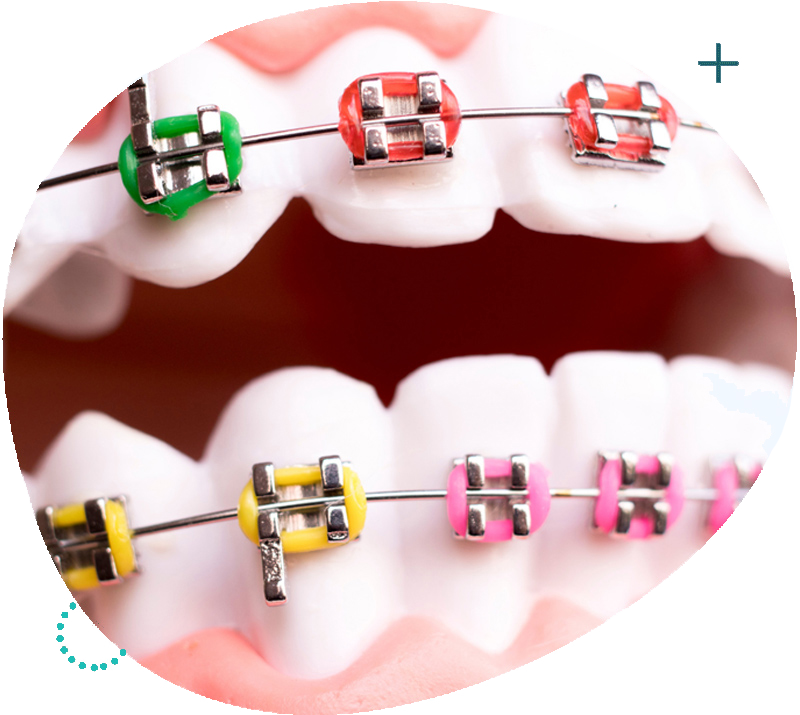
Metal braces are among the most widely accepted form of braces in Singapore.

Welcome to The Braces Practice! We are a friendly team of dentists, hygienists and receptionists who work together to create the best experience in your braces journey while ensuring you receive the highest standard of dental care.