
Everyone experiences wisdom tooth pain differently. Some may feel a dull ache at the back of their mouth, while others may feel excruciating pain that ultimately pushes them toward wisdom tooth surgery. But what actually causes this discomfort in the first place?
Here is everything you need to know about wisdom tooth pain and wisdom teeth in general:
Why Do We Have Wisdom Teeth?
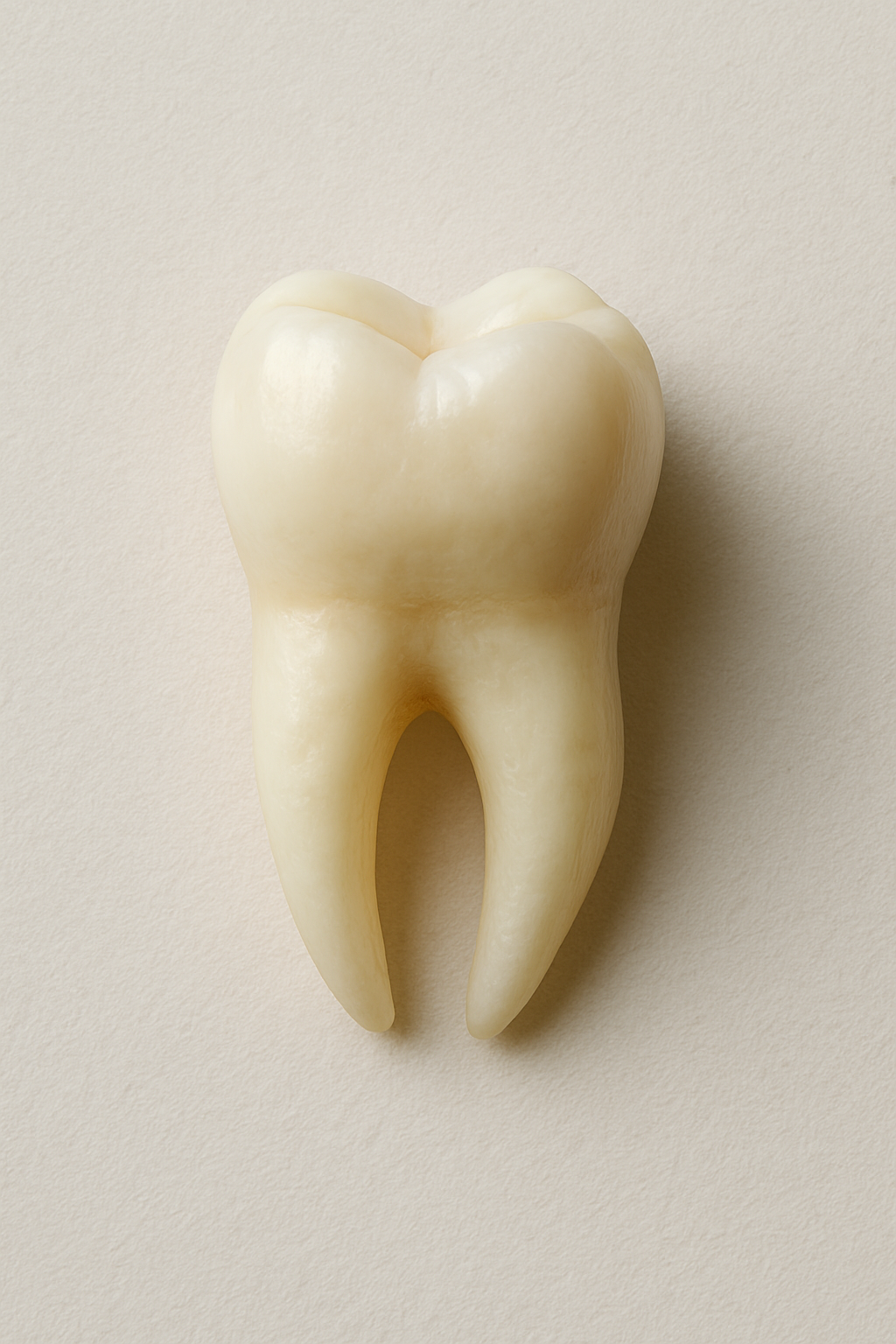
Wisdom teeth, also called third molars, are a bit of a relic from our evolutionary past. They were leftovers from our ancestors who had larger jaws and ate tough foods that required extra chewing power.
Wisdom teeth acted as backup molars to replace teeth lost, ensuring enough chewing area for a rough diet. Today, with softer diets and better dental care, wisdom teeth are less necessary. Our bodies still grow them nonetheless, which is mainly caused by genetic legacy.
How Do I Know If My Wisdom Teeth Are Growing?
Most people usually get their wisdom teeth in their late teens or early twenties. As they begin to erupt, you might notice a range of symptoms. Common signs include mild discomfort, swollen gums, jaw pain and sometimes cheek swelling.
If a tooth is impacted, meaning it does not have enough space to come in erupt properly, the pain can be more intense and persistent. Other symptoms can include difficulty chewing, limited mouth opening (trismus) and even radiating ear pain.
Sometimes, the tissue over a partially erupted tooth can become inflamed or infected, a condition called pericoronitis. To get a better idea of how your wisdom teeth will grow, your dentist may suggest taking a dental X-ray.
This allows them to see the position of the teeth beneath the gums and assess whether there is enough space for them to emerge properly.
Understanding Wisdom Tooth Pain

Wisdom tooth pain is your body’s way of signalling that something is amiss. wrong with your mouth. When a tooth is impacted or partially erupted, it can press against neighboring teeth and irritate the surrounding gums.
This can lead to swollen gums, gum inflammation and sometimes facial swelling. The pressure can also cause jaw pain and even nerve pain that radiates toward your ear or head.
In some cases, the trapped food particles and bacteria buildup around the wisdom tooth can trigger dental infections or worsen gum disease. For many, the pain is aggravated by chewing or talking, making it harder to chew and open your mouth.
You might also notice increased tooth sensitivity, especially when eating hot or cold foods.
Signs of Wisdom Tooth Pain
Recognising wisdom tooth pain early can save you from more serious complications. Common signs to watch out for include:
Persistent Jaw Ache: A dull or throbbing pain at the back of your jaw can indicate that a wisdom tooth is trying to erupt but lacks space.
Swollen or Tender Gums: Gums around the emerging tooth may appear red, swollen or bleed when touched.
Pain While Chewing: Biting or chewing could become uncomfortable, especially if the tooth partially erupted or impacted.
Ear or Head Pain: Pressure from an impacted wisdom tooth can radiate pain to your ear, temple, or side of the head.
Bad Breath or Unpleasant Taste: Food particles trapped around a partially erupted tooth can lead to bacterial buildup, causing bad breath or a foul taste.
Difficulty Opening Your Mouth: Known as trismus, this can happen when swelling and inflammation restrict jaw movement.
Visible Signs of Infection: In more severe cases, pus, red gums or even fever may indicate an infection requiring prompt attention.
Remedies for Wisdom Tooth Pain

Over-the-Counter Pain Relief: Non-prescription painkillers like ibuprofen or acetaminophen paracetamol can help reduce pain and inflammation.
Cold Compress: Applying a cold pack or ice wrapped in a cloth to the outside of your cheek can help numb pain and reduce swelling.
Saltwater Rinse: Rinsing your mouth with warm saltwater several times a day can soothe inflamed gums and help prevent reduce infection. Saltwater has healing properties that can flush out food particles and bacteria.
Good Oral Hygiene: Carefully brushing and flossing around the affected area can remove trapped food particles and reduce bacterial buildup. To further reduce bacteria, consider using antiseptic mouthwash 30 minutes after brushing and flossing.
Avoid Hard or Chewy Foods: Stick to soft foods to reduce pressure on the painful tooth and prevent further irritation.
Topical Gels: Over-the-counter oral gels containing numbing agents can temporarily relieve gum pain around the wisdom tooth.
When to See a Dentist

Not all wisdom teeth require immediate extraction. In fact, sometimes all you need to do is monitor the tooth and maintain good oral hygiene, especially if it is erupting normally. Regular dental check-ups allow your dentist to track its development and catch potential problems early.
However, you should see a dentist immediately if you experience persistent pain and signs of infection. Early intervention can prevent complications like impacted teeth, cysts or damage to nearby teeth.
This will not only make treatment simpler, but it can also boost the recovery process.
When Should Extraction Be an Option
Your dentist will recommend wisdom tooth surgery when the tooth is impacted, causing excruciating pain or infection. Extraction may also be recommended when wisdom tooth pain threatens the health of surrounding teeth. Other reasons for extraction include:
Crowding: If the wisdom tooth pushes against other teeth, it can misalign your bite.
Recurrent Infections: Partially erupted teeth are prone to pericoronitis, an infection of the gum tissue.
Cysts or Damage to Nearby Teeth: Impacted teeth can sometimes cause cysts or erode adjacent teeth.
Difficulty Cleaning: If a tooth is hard to reach and maintain during tooth brushing, it may increase the risk of decay or gum disease.
Extraction is usually a routine procedure, performed under local anaesthesia or general anaesthesia depending on complexity.
Recovery is generally straightforward with proper care, and your dentist will provide clear post-surgery instructions to minimise pain and promote healing.
Conclusion
Wisdom tooth pain varies from person to person with some cases being more severe than others. To minimise the risk of complications, it is important to maintain good oral hygiene and attend regular dental check-ups.
If symptoms persist or worsen, it is highly recommended to visit a dentist immediately.
Visit thebracespractice.com or contact us to find out more!