
Your orthodontic treatment can go two ways; through braces or Invisalign. After these appliances are removed, individuals must wear a retainer to prevent teeth shifting. But how long do you need to wear one? And how bad are the consequences if you do not?
What Is a Retainer?
A retainer is a custom-made orthodontic device designed to hold your teeth in place after braces or Invisalign. It plays a crucial role in the retention phase of your orthodontic treatment. It ensures your teeth alignment stays intact as your gums, ligaments and bones stabilise.
There are two main types of retainers: removable retainers and permanent retainers, which are bonded to the back of your teeth. Your orthodontist will usually recommend the best type according to your case and lifestyle.
Why Do Teeth Shift After Braces or Invisalign?
Your teeth will take time to settle in your mouth. Even though they look aligned post-treatment, the surrounding gums, ligaments and bones are still adapting. This is where the danger of tooth movement comes in.
After braces or Invisalign, the structures holding your teeth are still soft and flexible. Without a retainer to support them, your teeth may begin to drift back. This is known as a dental relapse, and it can happen much faster than you expect.
It is especially common within the first few months, which is why full-time retainer wear is usually prescribed from the start. Other factors that contribute to teeth shifting include ageing, teeth grinding (bruxism) and poor oral health.
What Happens When You Do Not Wear a Retainer?
(Image Source: istockphoto.com)
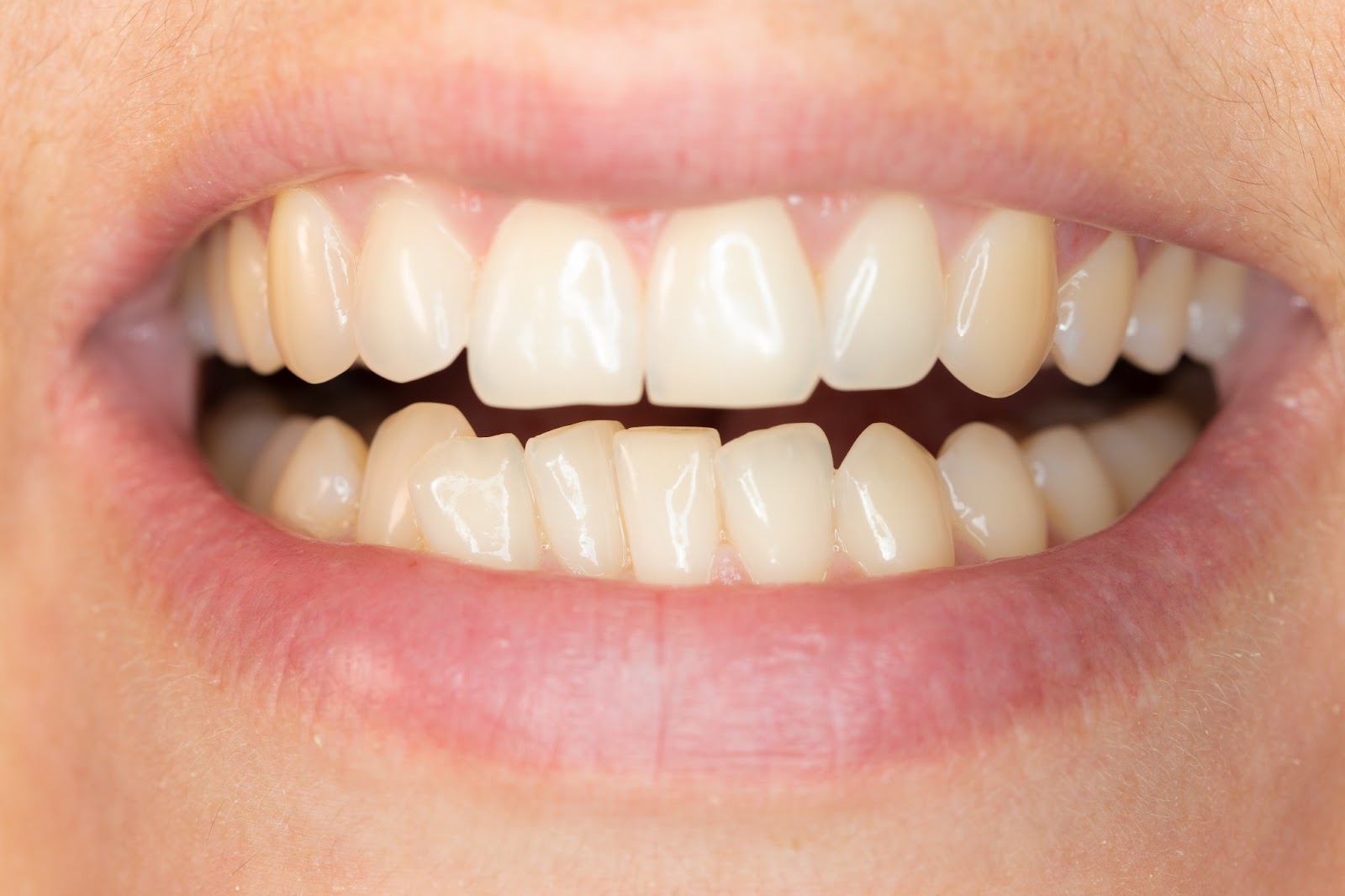
Skipping your retainer can undo months, or even years of hard work. Without proper retainer wear, your teeth can begin to move back to their original position. This can cause your bite correction to regress, leading to new issues like crowding.
This can also result in more orthodontic-follow ups, costing money—not to mention the negative effects on your gum health and dental hygiene. In severe cases, failing to wear your retainer can lead to full orthodontic relapse, where braces or Invisalign may be needed all over again.
The Duration and Stages of Wearing a Retainer
Retainer wear is usually a lifetime commitment. However, factors like age, the severity of your misalignment and how your teeth respond after treatment play a part in how often you need to wear them.
This refers to how many hours a day, or how many days a week you will need to keep your retainer in. Here is a general guideline broken down into three stages:
- First Stage: Full-Time Wear (First 3-6 Months)
You will be asked to wear your removable retainer full-time, usually around 22 hours a day. This stage is crucial as your teeth are still settling into their new positions and are most prone to tooth movement and dental relapse.Only remove it during meals and when brushing your teeth.
- Second Stage: Night Time Wear (After 6 Months to 1 year)If your teeth remain stable during the first few months, your orthodontist may reduce your wear time to just at night. This night-time retainer phase helps reinforce your bite correction and prevents your teeth from shifting while you sleep.
- Third Stage: Long-Term Retainer Use (Ongoing)Even years after your orthodontic treatment, subtle changes in your mouth can still cause your teeth to shift. While wearing your retainer everyday is not necessary, wearing them a few nights is highly recommended.Doing this over the long-run will help maintain your results and support better dental hygiene.
Where Do Permanent Retainers Fit In?
(Image Source: istockphoto.com)
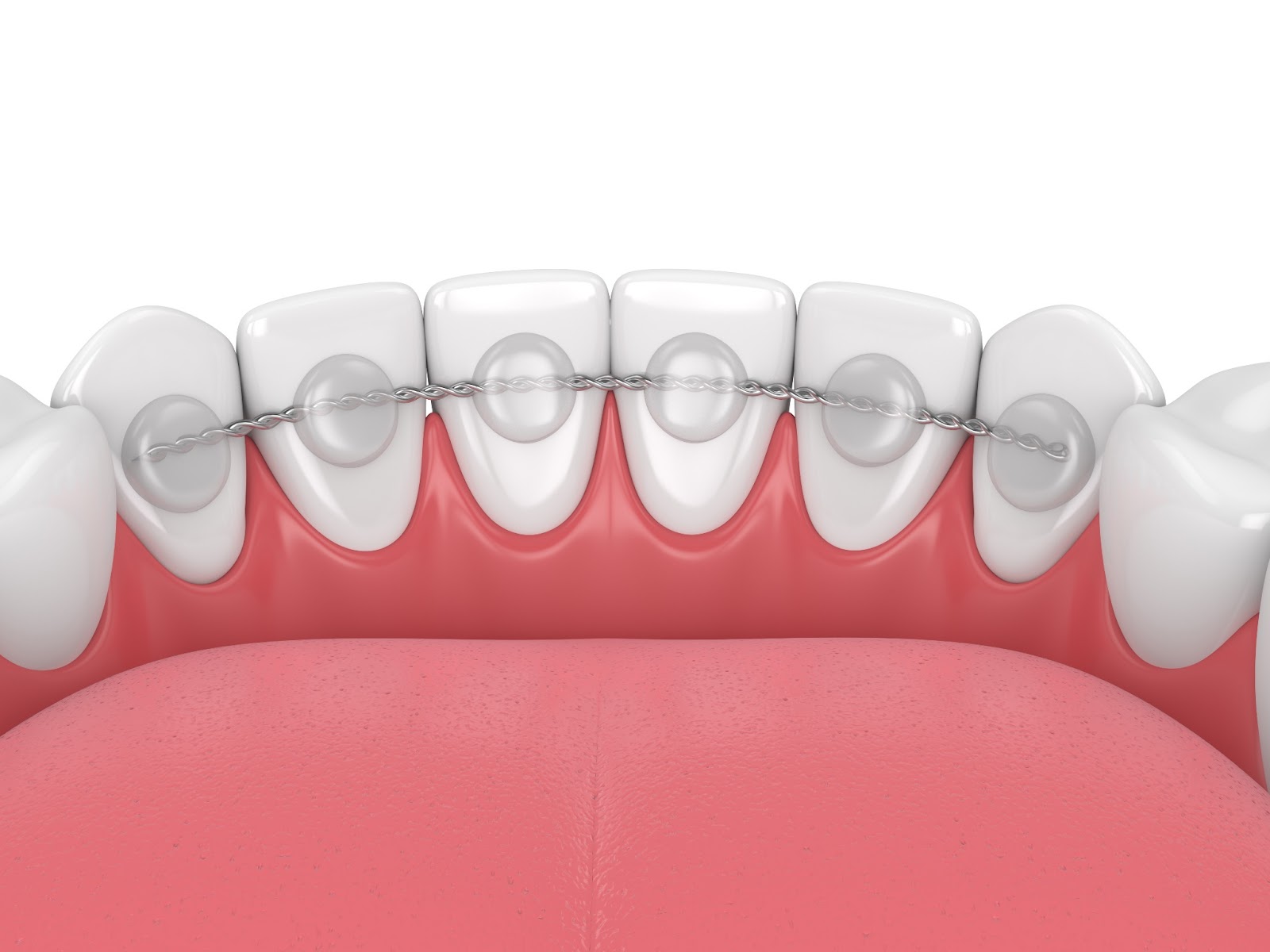
Permanent retainers may be recommended for those with significant gaps or crowding. They are basically thin wires attached to the back of your front teeth, usually on the lower arch. Unlike removable options, permanent retainers stay in your mouth 24/7.
This means that the typical duration and stages of retainer wear do not apply to permanent retainers. They are ideal for patients who might struggle with routine who are at a high risk of teeth shifting. Nonetheless, they do require good dental hygiene.
Plaque and tartar can easily build up around the wires if not cleaned properly. Regular checkups and cleaning is highly essential for patients with permanent retainers.
In some cases, orthodontists may recommend a combination of both; a permanent retainer on the bottom teeth and a removable retainer for the upper arch.
Best Practices for Retainer Wear
(Image Source: elements.envato.com)
- Wear It as Instructed: Follow your orthodontist guidance closely. Skipping even a few days can cause minor shifts that may affect your alignment. This will not only lengthen your treatment time, but can also cause other dental issues like crowding or spacing.
- Keep It Clean: A dirty retainer can lead to bad breath, plaque buildup, and even infections. Clean your removable retainer daily using a soft toothbrush and non-abrasive toothpaste or retainer cleaner.For fixed retainers, make sure to floss around the wire carefully to maintain good dental hygiene.
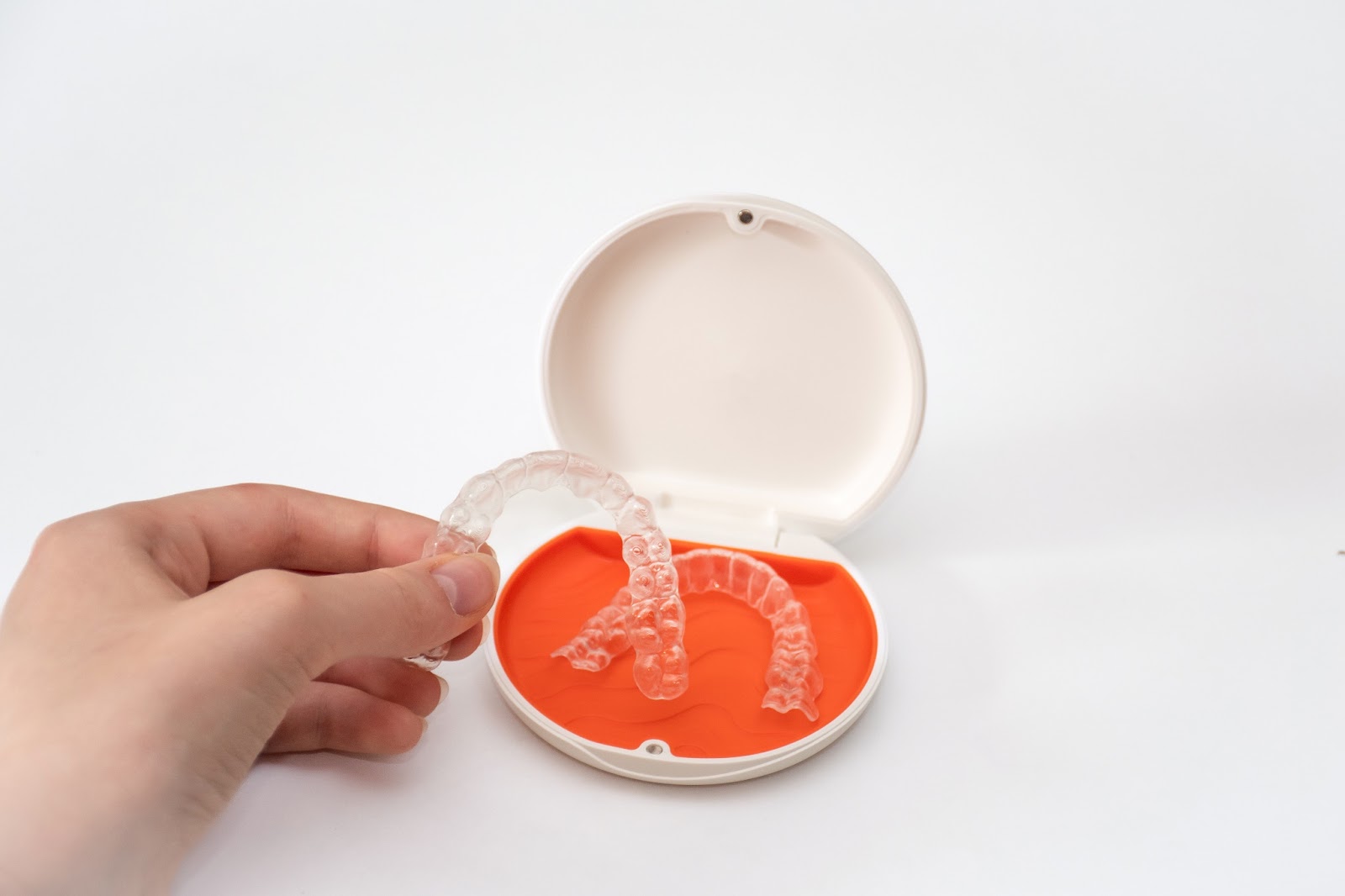
- Store It Safely: Keep your retainers in its case when not in use. Leaving it outside will expose it to bacteria or worse, the risk of accidentally throwing it away.
- Avoid Heat and Harsh Chemicals: Never clean your retainer with hot water, bleach or alcohol-based products. These can warp or damage the material, affecting its fit and function.
- Stay Consistent With Check-Ups: Remember to stay consistent with check-ups. Your orthodontist will ensure that your retainer fit is still correct and that your gum health remains in top shape.
Your provider can also spot signs of wear and let you know when it is time for a replacement.
- Know When to Replace It: Retainers do not last forever. If you notice cracks, warping or it does not fit, speak to your orthodontist. Wearing a poorly fitting retainer can do more harm than good.
The Bottom Line
Retainer wear is a lifetime commitment. While daily wear may decrease overtime, it is highly recommended to wear them periodically throughout the week or as instructed. Neglecting retainer use will cause a whole range of issues, from teeth shifting to bad oral hygiene.
With that said, retainer care is just as important, so remember to keep it clean or switch it out when it does not fit.
Contact us to find out more about retainer use and orthodontic care!